It’s the end an era: You’ve earned your diploma, said farewell to good friends and you’re ready for the next phase of your life. College is an exciting time for many young adults. It’s a time of independence and exploration, full of new experiences. For students living away from home for the first time, it can also be a scary and stressful time. Now, you’re responsible for your own well-being and cannot always rely on your family to help. Between getting used to classes, making new friends and settling into your dorm room, many college students neglect their dental health. The rush of college life, changes in routine and changes in diet all contribute to poor oral health in college-age young adults. How can students living away from home for the first time take better care of their teeth? Here are five tips.
Settling into college life can take some time. While orienting yourself to the campus, creating a new schedule and the whirlwind of college social life, don’t forget to include good oral habits as part of your daily routine. Here’s a quick refresher of what good dental habits look like:
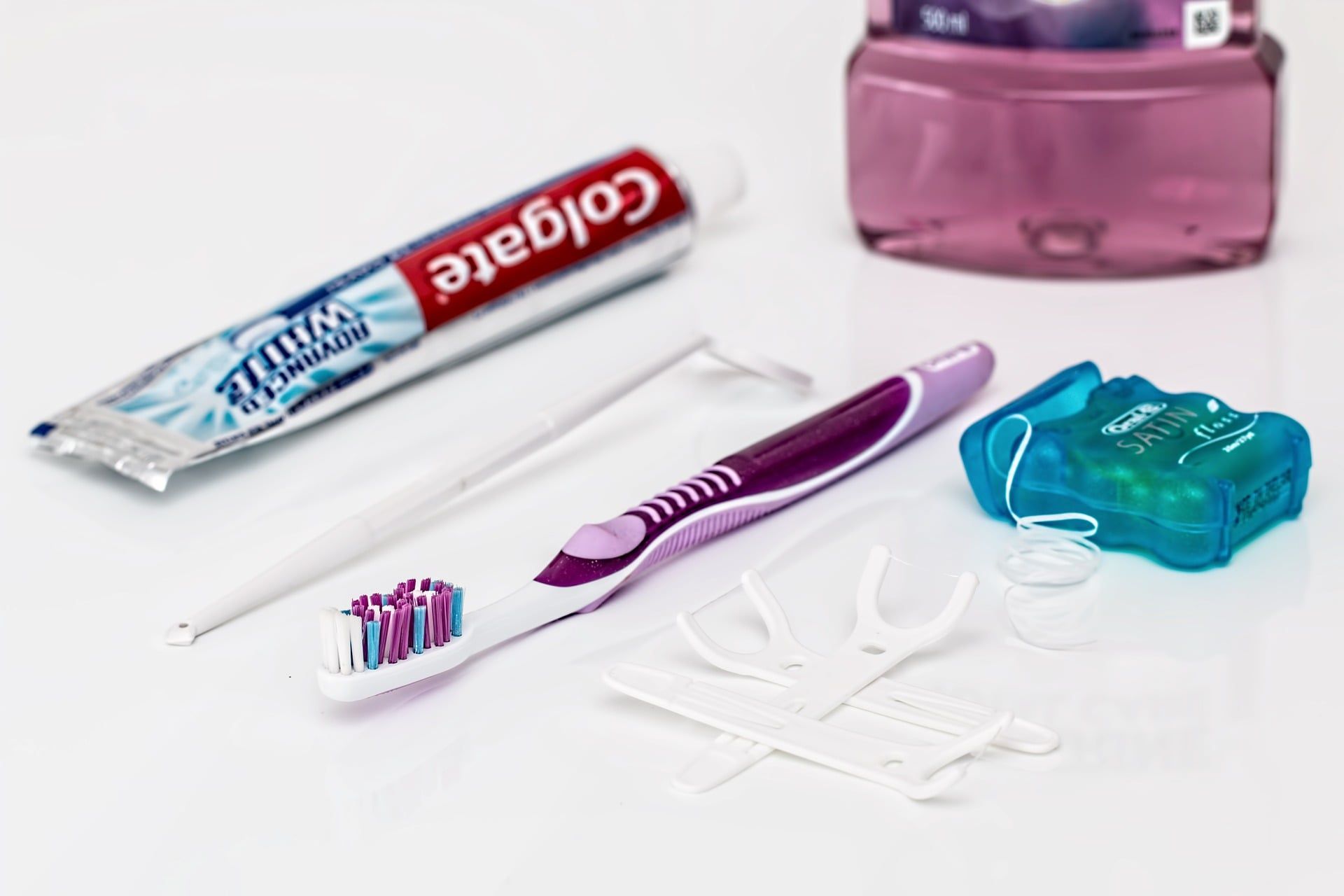
The American Dental Association says to brush your teeth twice a day: in the morning when you wake up and again before you head to bed. That seems simple enough to follow, but only when you have a consistent routine. College students do not have consistent routines. Thanks to late-night studying, parties and Netflix binges (most of us are guilty of that last one), many college students develop erratic sleeping schedules. This means that they often forget to brush or sometimes just feel too lazy to do so (most of us have been guilty of that last one, too). Not brushing your teeth before going to bed leads to the buildup of bacteria and plaque in your mouth, Sarah Klein writes at The Huffington Post. Plaque that isn’t removed from your teeth can lead to the formation of tartar and cavities, and it can cause your gums to bleed. Not sure if you’re brushing your teeth correctly? Dr. Mark Burhenne at AskTheDentist.com has a guide to brushing your teeth the right way. The key is to gently wiggle your toothbrush so that the bristles clean each tooth as well as between the teeth. You should also clean your teeth in sets to ensure that all your teeth are cleaned.
When you’re brushing your teeth, also take the time to floss once as a day. There is no ideal time to floss; the act of flossing is more important than the time of day you do it. One way to make room for flossing: Add another 3–5 minutes to your bathroom routine. Ashley May at USA TODAY cites this shocking statistic on flossing: nearly a third of adults say they never floss (though nearly the same number say they’ve flossed every day in the last week). So, what happens when you don’t floss? Lauren Friedman at Business Insider has a list of 13 consequences, from bad breath to tooth loss to an increased risk of gum disease. To help cultivate the habit of flossing, Leo Babauta at ZenHabits shares five steps that helped him form the habit:
Lauren Cox at LiveScience asked a group of dentists whether everyone needs fluoride toothpaste. The answer: It’s highly recommended, which is as close as any medical professional can get to saying “Yes.” Topical fluoride (e.g. fluoride toothpaste) can help prevent tooth decay and strengthen tooth enamel. Fluoride in general remineralizes tooth enamel and can stop the formation of cavities.
Most people do not replace their toothbrushes as often as they should. The ADA recommends replacing your toothbrush every 3 to 4 months, but it’s something that is easy to forget. The problem is that a worn-out toothbrush loses its effectiveness. Dr. Burhenne says that a worn toothbrush’s bristles become jagged, and so they can become too abrasive and wear away your tooth enamel. If you need help remembering to replace your toothbrush, here’s a helpful visual: According to Beth Levine at HuffPost, the average toothbrush can contain 10 million bacteria or other germs — including E. coli and staph. Levine also suggests occasionally cleaning your toothbrush with hydrogen peroxide or mouthwash, drying out your toothbrush between cleanings and not sharing your toothbrush.
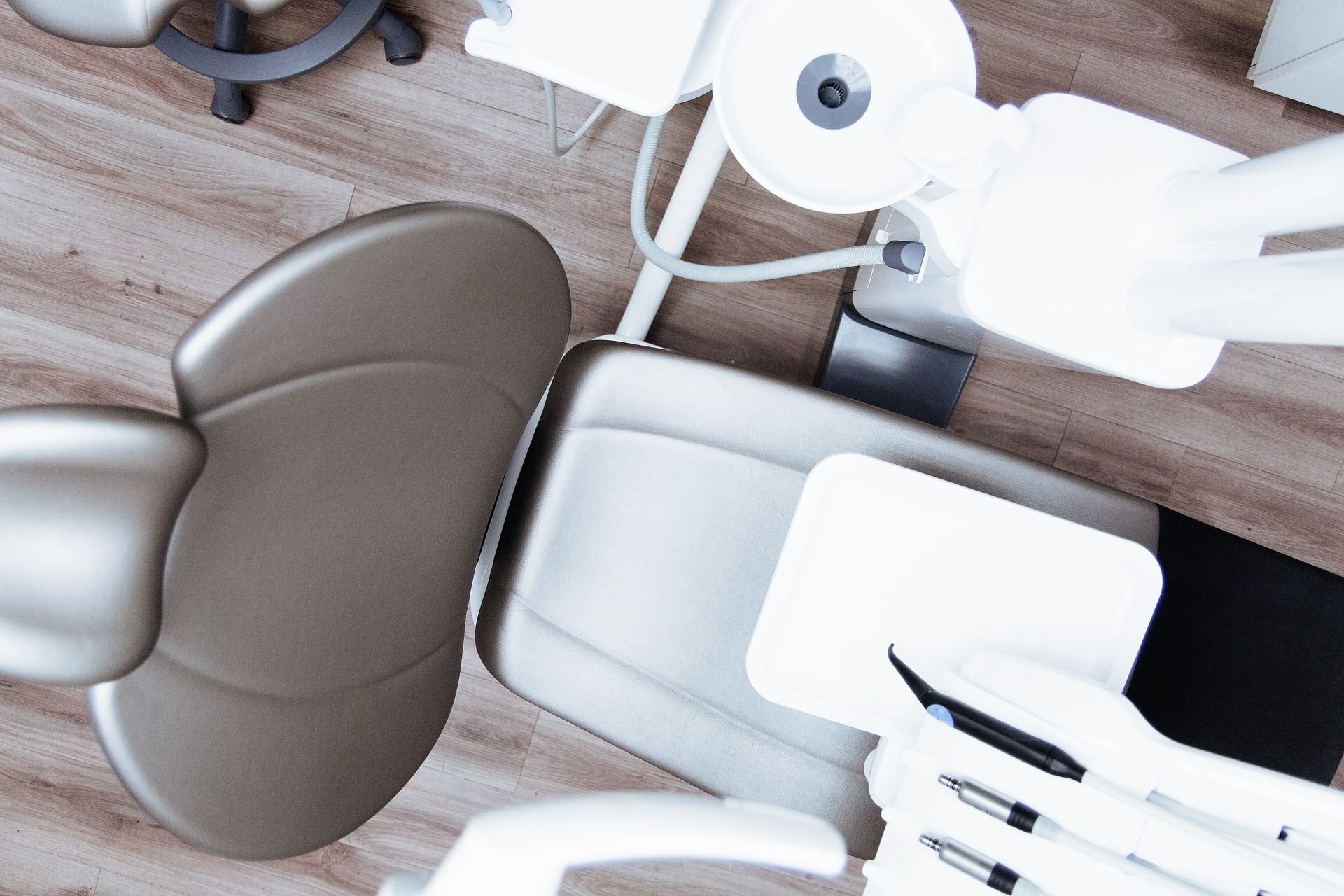
Moving to college sometimes means moving away from your family dentist. As such, it’s important to find a new dentist in your area as soon as possible. Jennifer Braico at Health Grades has a few tips for finding a new dentist:
There could also be a dental clinic on campus, which would be a convenient and cost-effective option. If so, compare that clinic’s services and costs with other dentists in the area. Remember, too, that a visit to the dentist is recommended every 6 months. To make sure you don’t forget, use a calendar app to input your dental appointment reminder, and set it as a recurring event. Images by: stevepb, Free-Photos, __Sherry__, StockSnap
Call us today at or book an appointment online.